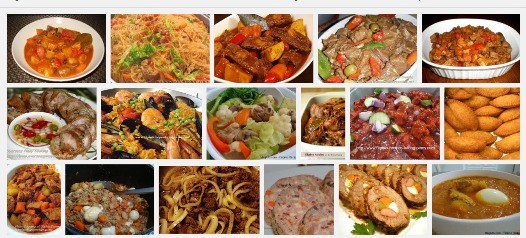
Source: Ghanaija
In the bustling streets of Accra, Ghana, a small eatery named “Tinola’s Taste” stood as a haven for food enthusiasts seeking culinary adventures beyond the shores of Africa. The owner, Ama, a spirited Ghanaian woman with a love for exploring diverse cuisines, had recently introduced a new addition to her menu: Filipino food.
The idea sprouted from Ama’s encounter with a Filipino traveler named Mateo, who spoke passionately about the rich tapestry of flavors that defined his homeland’s cuisine. Intrigued, Ama decided to delve into the world of Filipino gastronomy, determined to bring its essence to the palates of her customers.
One of the Filipino dishes Ama introduced was “Adobo,” a savory concoction of meat marinated in vinegar, soy sauce, garlic, and spices. As she prepared the dish in her kitchen, memories of her own childhood in the coastal regions of Ghana flooded her mind. She remembered the aroma of freshly caught fish sizzling on open fires, reminiscent of the fragrant Adobo simmering on her stove.
Word of Ama’s Filipino-inspired dishes spread quickly through Accra. Soon, curious patrons from neighboring countries like Nigeria and Ivory Coast flocked to Tinola’s Taste to experience this new culinary sensation. Among them was Kwame, a jovial Nigerian businessman with a penchant for spicy food.
Kwame’s first taste of Filipino cuisine was “Sinigang,” a sour soup bursting with tamarind flavor and loaded with vegetables and tender chunks of meat. Accustomed to the bold spices of Nigerian cuisine, Kwame found himself captivated by the complex interplay of sourness and savory notes in the Sinigang. It reminded him of the tangy soups his grandmother used to make back in Lagos, a comforting reminder of home.
As Ama continued to explore Filipino cuisine, she stumbled upon “Kare-Kare,” a rich stew made with oxtail, tripe, and vegetables, thickened with ground peanuts. The dish resonated with her on a deep level, evoking memories of her grandmother’s hearty stews simmering on the hearth during chilly evenings in the Ghanaian highlands.
Meanwhile, news of Ama’s culinary venture reached the ears of Malaika, a talented chef hailing from Tanzania. Intrigued by the fusion of African and Filipino flavors at Tinola’s Taste, Malaika embarked on a journey to Accra to experience it firsthand.
Upon her arrival, Malaika was greeted by Ama, who welcomed her with open arms and invited her to collaborate on a special menu showcasing the diverse culinary traditions of both Africa and the Philippines. Together, they created a feast fit for royalty, featuring dishes such as “Lechon Kawali,” crispy pork belly reminiscent of East African roast meats, and “Ube Halaya,” a sweet purple yam dessert that delighted Malaika’s taste buds.
The collaboration between Ama and Malaika proved to be a resounding success, attracting food enthusiasts from far and wide to Tinola’s Taste. As they savored each bite of the meticulously crafted dishes, they marveled at the way flavors from distant lands could come together to create something truly extraordinary.
In the heart of Accra, beneath the swaying palm trees and amidst the vibrant tapestry of cultures, Tinola’s Taste stood as a testament to the power of food to bridge continents and unite people from all walks of life. And as the sun set over the horizon, casting a golden glow over the bustling city streets, Ama, Kwame, and Malaika raised their glasses in a toast to friendship, flavor, and the endless possibilities of culinary exploration.